The insurance industry is constantly evolving, demanding that platforms be agile and adaptable. A crucial aspect of this adaptability is the seamless integration and upgrading of Customer Relationship Management (CRM) and Enterprise Resource Planning (ERP) modules. These systems are the backbone of modern insurance operations, streamlining processes, enhancing customer experience, and providing valuable insights for strategic decision-making. However, upgrading these modules isn’t always a straightforward process. It requires careful planning, execution, and a deep understanding of the specific needs of the insurance business.
Many insurance companies face challenges when attempting to upgrade their CRM and ERP systems. These challenges can range from data migration complexities to resistance from employees who are accustomed to the existing system. Furthermore, the integration of new modules with legacy systems can present significant technical hurdles. Without a well-defined strategy, these upgrades can lead to disruptions in operations, cost overruns, and ultimately, a failure to achieve the desired improvements.
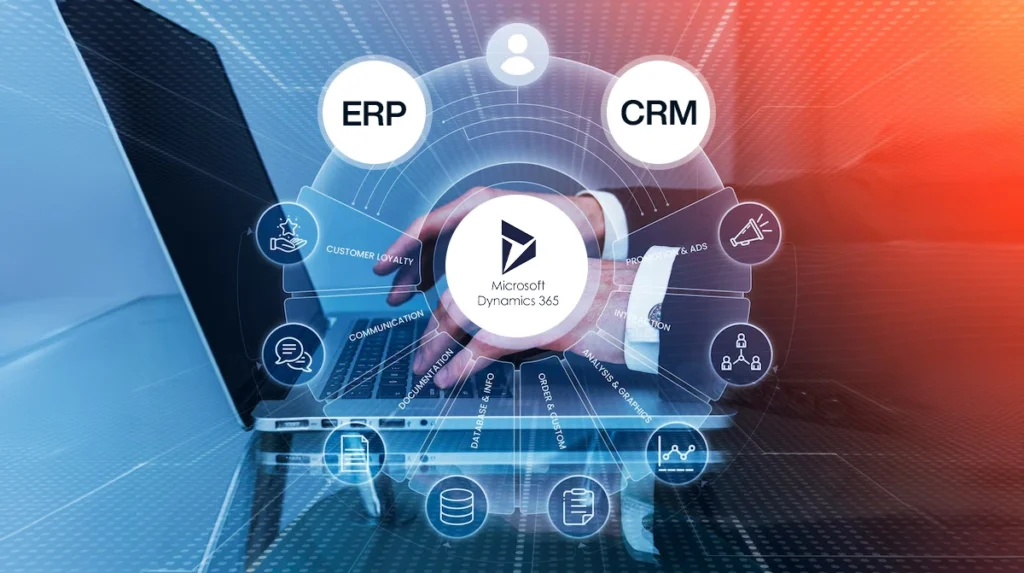
This article provides a comprehensive guide to navigating the complexities of CRM and ERP module upgrades in insurance platforms. We’ll explore best practices, essential features to consider, and detailed steps to ensure a successful implementation. By understanding these key elements, insurance companies can optimize their technology investments, improve efficiency, and enhance their competitive advantage in today’s dynamic market. This guide will provide practical tips and insights, helping you to avoid common pitfalls and maximize the benefits of your CRM and ERP systems.
Understanding the Importance of CRM and ERP Integration in Insurance
CRM and ERP systems, while distinct in their primary functions, are increasingly intertwined in modern insurance platforms. CRM focuses on managing customer interactions, sales, and marketing efforts, while ERP handles core business processes like finance, human resources, and supply chain management. The integration of these two systems creates a holistic view of the business, enabling better decision-making and improved operational efficiency.
Benefits of Integrated CRM and ERP
Integrating CRM and ERP offers several key benefits for insurance companies:
- Improved Customer Experience: Access to a unified view of customer data allows for personalized interactions and faster resolution of issues.
- Enhanced Sales and Marketing Effectiveness: Better lead management, targeted marketing campaigns, and improved sales forecasting.
- Streamlined Operations: Automation of processes, reduced manual data entry, and improved data accuracy.
- Better Decision-Making: Real-time insights into key performance indicators (KPIs) across all business functions.
- Increased Efficiency and Productivity: Automation and streamlined workflows free up employees to focus on more strategic tasks.
Specific Examples in the Insurance Context
Consider these scenarios:
- A customer calls to inquire about a claim. With integrated CRM and ERP, the agent can quickly access the customer’s policy details, claim history, and financial information in a single view.
- The marketing team wants to launch a targeted campaign for policy renewals. Integrated CRM and ERP can identify customers whose policies are expiring soon and tailor the messaging accordingly.
- The finance department needs to reconcile premium payments with policy information. Integrated CRM and ERP can automate this process, reducing errors and saving time.
Key Features to Look for in Upgraded CRM and ERP Modules
When upgrading CRM and ERP modules, it’s crucial to select features that align with the specific needs of your insurance business. Here are some essential features to consider:
CRM Module Features
- Lead Management: Track and manage leads from initial contact to conversion.
- Contact Management: Store and organize customer information in a centralized database.
- Sales Force Automation: Automate sales processes, track sales performance, and manage sales opportunities.
- Marketing Automation: Automate marketing campaigns, track marketing results, and personalize customer communications.
- Customer Service Management: Manage customer inquiries, resolve issues, and track customer satisfaction.
- Policy Management Integration: Seamlessly access and manage policy details within the CRM system.
- Claim Management Integration: Integrate claim information for a complete customer view.
ERP Module Features
- Financial Management: Manage accounting, budgeting, and financial reporting.
- Human Resources Management: Manage employee information, payroll, and benefits.
- Policy Administration: Manage policy issuance, renewals, and cancellations.
- Claims Processing: Automate the claims processing workflow, from initial claim submission to final settlement.
- Reinsurance Management: Manage reinsurance agreements and track reinsurance recoveries.
- Regulatory Compliance: Ensure compliance with industry regulations and reporting requirements.
- Reporting and Analytics: Generate reports and dashboards to track key performance indicators (KPIs).
Cross-Module Features
- Data Integration: Seamless data exchange between CRM and ERP modules.
- Workflow Automation: Automate cross-functional processes.
- Reporting and Analytics: Unified reporting and analytics across CRM and ERP data.
Best Practices for CRM and ERP Upgrade in Insurance Platforms
Upgrading CRM and ERP modules is a significant undertaking. Following these best practices will increase the likelihood of a successful implementation:
1. Define Clear Objectives and Scope
Before starting the upgrade process, clearly define the objectives and scope of the project. What specific business challenges are you trying to address? What are the desired outcomes? A well-defined scope will help to keep the project on track and prevent scope creep.
2. Conduct a Thorough Needs Assessment
Conduct a thorough needs assessment to identify the specific requirements of your insurance business. What features are essential? What integrations are necessary? Involve stakeholders from all departments in the assessment process to ensure that all needs are considered.
3. Choose the Right Vendor and Solution
Select a vendor and solution that align with your business needs and budget. Consider factors such as the vendor’s experience in the insurance industry, the solution’s features and capabilities, and the vendor’s support and training options. Request demos and speak to other customers to get a better understanding of the solution.
4. Develop a Detailed Implementation Plan
Create a detailed implementation plan that outlines the project timeline, tasks, and responsibilities. The plan should include data migration strategies, testing procedures, and training schedules. A well-defined plan will help to minimize disruptions and ensure a smooth transition.
5. Data Migration Strategy
Data migration is often the most challenging aspect of a CRM and ERP upgrade. Develop a comprehensive data migration strategy that includes data cleansing, data transformation, and data validation. Ensure that data is migrated accurately and completely.
6. Thorough Testing and Quality Assurance
Thoroughly test the upgraded system to ensure that it meets your requirements and functions correctly. Conduct user acceptance testing (UAT) to involve end-users in the testing process. Address any issues or bugs before the system is deployed to production.
7. Comprehensive Training and Change Management
Provide comprehensive training to all users on the new system. Address any concerns or resistance to change. Effective change management is crucial for ensuring user adoption and maximizing the benefits of the upgrade.
8. Ongoing Support and Maintenance
Ensure that you have ongoing support and maintenance from the vendor. Regularly update the system to address bugs, security vulnerabilities, and new features. Proactive maintenance will help to keep the system running smoothly and prevent problems down the road.
Common Challenges and How to Overcome Them
CRM and ERP upgrades can present several challenges. Here’s how to address some of the most common ones:
1. Data Migration Complexities
Challenge: Migrating data from legacy systems to the new system can be complex and time-consuming.
Solution: Invest in data migration tools and expertise. Develop a detailed data migration plan and conduct thorough data validation.
2. Integration Issues
Challenge: Integrating the upgraded system with other applications can be challenging.
Solution: Ensure that the new system supports the necessary integrations. Use APIs and web services to facilitate data exchange between systems.
3. Resistance to Change
Challenge: Employees may resist adopting the new system.
Solution: Communicate the benefits of the upgrade to employees. Provide comprehensive training and support. Involve employees in the implementation process.
4. Budget Overruns
Challenge: The upgrade project may exceed the allocated budget.
Solution: Develop a realistic budget and track expenses closely. Identify potential cost savings early in the project. Consider using a phased implementation approach to spread out the costs. Furthermore, streamlining Customer relationship management can reveal savings.
5. Project Delays
Challenge: The upgrade project may fall behind schedule.
Solution: Develop a realistic timeline and track progress closely. Identify potential delays early in the project and take corrective action. Use project management tools to manage tasks and resources.
The Future of CRM and ERP in Insurance
The future of CRM and ERP in insurance is likely to be shaped by several key trends:
1. Cloud-Based Solutions
Cloud-based CRM and ERP solutions are becoming increasingly popular due to their scalability, flexibility, and cost-effectiveness. Cloud solutions eliminate the need for on-premise infrastructure and reduce the burden on IT departments.
2. Artificial Intelligence (AI) and Machine Learning (ML)
AI and ML are being integrated into CRM and ERP systems to automate tasks, improve decision-making, and personalize customer interactions. AI-powered chatbots can handle customer inquiries, while ML algorithms can analyze data to identify fraud and predict customer behavior.
3. Mobile Accessibility
Mobile accessibility is becoming increasingly important as insurance professionals need to access information and perform tasks on the go. CRM and ERP systems are being designed with mobile-first approaches to ensure that they are accessible on any device.
4. Data Analytics and Visualization
Data analytics and visualization tools are being integrated into CRM and ERP systems to provide users with real-time insights into key performance indicators (KPIs). These tools help insurance companies to make better decisions and improve their overall performance.
Conclusion
Upgrading CRM and ERP modules in insurance platforms is a complex but essential process for staying competitive in today’s dynamic market. By following the best practices outlined in this guide, insurance companies can ensure a successful implementation and maximize the benefits of their technology investments. Remember to define clear objectives, conduct a thorough needs assessment, choose the right vendor and solution, develop a detailed implementation plan, and provide comprehensive training and support. By addressing common challenges and embracing emerging trends, insurance companies can leverage CRM and ERP to improve customer experience, streamline operations, and drive growth.
The integration and continuous improvement of these systems are not just about adopting new technology; they are about transforming the way insurance businesses operate, enabling them to be more responsive, efficient, and customer-centric. As the insurance landscape continues to evolve, a robust and well-integrated CRM and ERP system will be a critical asset for success.
Ultimately, the goal is to create a seamless and integrated platform that empowers insurance professionals to provide exceptional service, make informed decisions, and drive business growth. By focusing on these key areas, insurance companies can unlock the full potential of their CRM and ERP systems and achieve their strategic objectives.
Conclusion
Successfully upgrading CRM and ERP modules within insurance platforms is a complex but crucial undertaking for staying competitive in today’s dynamic market. By carefully planning, prioritizing data integrity, choosing the right integration approach, and providing thorough training, insurance companies can minimize disruption and maximize the benefits of these powerful systems. Remember that a well-executed upgrade is more than just a technical task; it’s a strategic investment that enhances operational efficiency, improves customer experiences, and ultimately drives business growth.
Ultimately, the best approach to CRM and ERP module upgrades in insurance platforms is one that is tailored to the specific needs and resources of the organization. We’ve highlighted key considerations throughout this article, including the importance of a clear project scope and dedicated team. Now is the time to assess your current systems and identify areas for improvement. If you’re ready to take the next step and explore how a CRM and ERP upgrade can transform your insurance business, we encourage you to contact us for a personalized consultation. Let us help you unlock the full potential of your technology investments and achieve lasting success.
Frequently Asked Questions (FAQ) about Best Tips to CRM Upgrade ERP Modules in Insurance Platforms
What’s key for a successful CRM/ERP upgrade?
Planning and data migration are crucial. Thoroughly analyze your current system, define clear upgrade goals, and ensure clean data transfer for a smooth transition of your insurance platform.
How to minimize downtime during CRM/ERP upgrades?
Use a phased implementation approach and conduct extensive testing in a non-production environment. Effective CRM upgrade strategies, ERP module testing and a robust rollback plan are critical for insurance platforms.
What training is needed after a CRM/ERP upgrade?
Comprehensive training for all users is essential. Focus on new features and workflows to ensure everyone can effectively use the upgraded CRM and ERP within the insurance platform and maximize its benefits.