Launching an insurance startup is an exciting endeavor, filled with the promise of disrupting the market and providing innovative solutions. But beneath the surface of creative marketing and competitive pricing lies a complex operational backbone that must be meticulously crafted. Two critical components of this backbone are Customer Relationship Management (CRM) and Enterprise Resource Planning (ERP) systems. While seemingly distinct, their integration is paramount for success, especially in the early stages of a startup. A disjointed approach can lead to data silos, inefficient processes, and ultimately, a compromised customer experience.
Imagine a scenario where your sales team is diligently tracking leads and closing deals in the CRM, but this information isn’t seamlessly flowing into your ERP system. The underwriting team lacks real-time insights into policy sales, leading to delays in policy issuance and potential errors. Meanwhile, the finance department struggles to reconcile sales data with revenue figures, creating a bottleneck in financial reporting. This is precisely the kind of operational nightmare that CRM–ERP misalignment can create for an insurance startup.
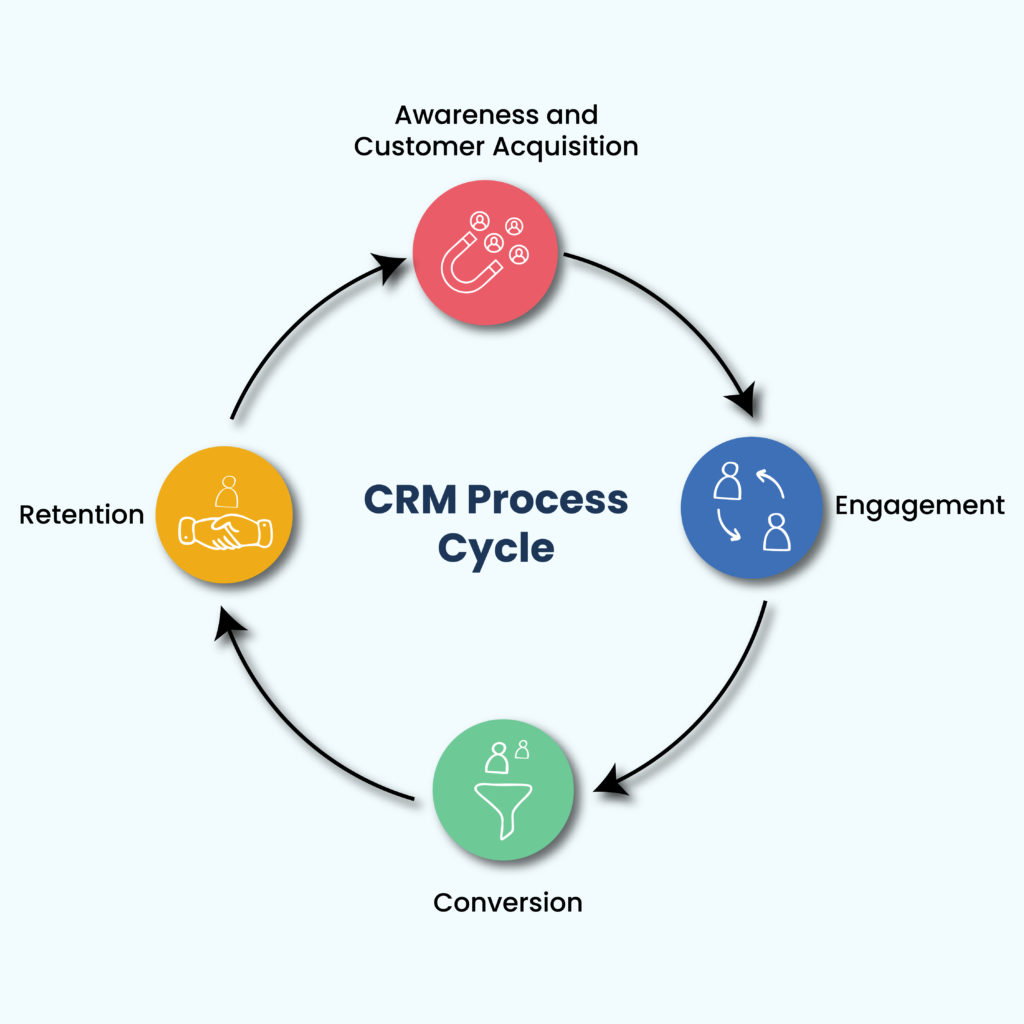
This article serves as a comprehensive guide for insurance startups navigating the complexities of CRM and ERP implementation. We’ll explore the importance of aligning these systems, delve into the key features required for each, and provide practical steps to ensure a seamless integration. We’ll also discuss common challenges and offer solutions to help you avoid costly mistakes. By the end of this guide, you’ll have a clear understanding of how to strategically implement and integrate CRM and ERP systems to drive growth and efficiency in your insurance startup.
Why CRM–ERP Alignment is Crucial for Insurance Startups
In the fast-paced and highly competitive insurance industry, startups need every advantage they can get. CRM–ERP alignment offers a significant competitive edge by streamlining operations, improving customer service, and providing valuable insights into business performance. Here’s a closer look at the key benefits:
Enhanced Customer Experience
A unified view of the customer is essential for providing exceptional service. When CRM and ERP systems are integrated, all customer interactions, policy details, billing information, and claims data are accessible in one place. This allows your team to respond quickly and accurately to customer inquiries, resolve issues efficiently, and personalize the customer experience. For example, a customer service representative can instantly access a customer’s policy details, payment history, and claims status, enabling them to provide personalized and informed support.
Improved Operational Efficiency
Integrating CRM and ERP eliminates manual data entry, reduces errors, and streamlines workflows. For example, when a new policy is sold through the CRM, the information is automatically updated in the ERP system, triggering the necessary accounting and underwriting processes. This automation reduces the risk of human error, frees up staff to focus on more strategic tasks, and accelerates key business processes. This is especially crucial for startups with limited resources and a need to maximize efficiency.
Data-Driven Decision Making
CRM and ERP systems generate vast amounts of data. When these systems are integrated, you can gain valuable insights into customer behavior, sales trends, and operational performance. This data can be used to make informed decisions about product development, marketing campaigns, and resource allocation. For example, you can analyze sales data from the CRM to identify your most profitable customer segments and tailor your marketing efforts accordingly. You can also use ERP data to track the costs associated with different policy types and identify opportunities to improve profitability.
Better Compliance and Risk Management
The insurance industry is heavily regulated, and compliance is a critical concern. CRM–ERP integration can help you meet regulatory requirements by ensuring that all customer data is accurate, complete, and readily accessible. It also facilitates risk management by providing a comprehensive view of your business operations and identifying potential areas of vulnerability. For example, you can use the integrated system to track policy renewals, monitor claims activity, and identify potential fraud risks.
Key Features of a CRM System for Insurance Startups
Choosing the right CRM system is crucial for managing customer relationships and driving sales growth. Here are some key features to look for:
Lead Management
The CRM should be able to capture leads from various sources, such as website forms, social media, and email marketing campaigns. It should also allow you to segment leads based on demographics, interests, and policy preferences. Effective lead management features enable your sales team to prioritize leads, track their progress, and nurture them through the sales funnel.
Policy Management
The CRM should provide a centralized repository for all policy information, including policy details, coverage terms, and renewal dates. This allows your team to quickly access policy information, respond to customer inquiries, and manage renewals effectively. Integration with the ERP system ensures that policy information is always up-to-date and accurate.
Contact Management
The CRM should allow you to store and manage all customer contact information, including names, addresses, phone numbers, and email addresses. It should also allow you to track customer interactions, such as phone calls, emails, and meetings. This provides a complete picture of each customer’s relationship with your company.
Sales Automation
The CRM should automate repetitive sales tasks, such as sending follow-up emails, scheduling appointments, and generating quotes. This frees up your sales team to focus on building relationships and closing deals. Sales automation can significantly improve sales productivity and reduce the risk of human error.
Reporting and Analytics
The CRM should provide robust reporting and analytics capabilities, allowing you to track key sales metrics, such as lead conversion rates, sales cycle length, and customer lifetime value. This data can be used to identify areas for improvement and optimize your sales process.
Key Features of an ERP System for Insurance Startups
An ERP system is the backbone of your business operations, managing everything from finance and accounting to underwriting and claims processing. Here are some key features to look for:
Financial Management
The ERP system should provide comprehensive financial management capabilities, including general ledger accounting, accounts payable, accounts receivable, and financial reporting. This allows you to track your financial performance, manage your cash flow, and comply with regulatory requirements.
Underwriting Management
The ERP system should support the underwriting process, including risk assessment, policy pricing, and policy issuance. It should also integrate with external data sources, such as credit bureaus and actuarial databases, to provide accurate risk assessments.
Claims Management
The ERP system should streamline the claims processing workflow, from initial claim submission to final settlement. It should also provide tools for fraud detection and claims investigation. Efficient claims management is crucial for maintaining customer satisfaction and controlling costs.
Policy Administration
The ERP system should manage all aspects of policy administration, including policy renewals, endorsements, and cancellations. It should also provide tools for managing policy documents and ensuring compliance with regulatory requirements.
Reporting and Analytics
The ERP system should provide robust reporting and analytics capabilities, allowing you to track key operational metrics, such as claims processing time, policy renewal rates, and underwriting profitability. This data can be used to identify areas for improvement and optimize your business operations.
Steps to Align CRM and ERP Implementation
Aligning CRM and ERP implementation requires careful planning and execution. Here are some key steps to follow:
Define Your Business Requirements
Before you start evaluating CRM and ERP systems, take the time to clearly define your business requirements. What are your key business processes? What data do you need to track? What reports do you need to generate? The more clearly you define your requirements, the easier it will be to choose the right systems and ensure a successful integration.
Choose Systems with Integration Capabilities
When evaluating CRM and ERP systems, prioritize those that offer native integration capabilities or have well-documented APIs. This will make the integration process much easier and less expensive. Look for systems that are specifically designed for the insurance industry and have a proven track record of successful integrations.
Develop an Integration Plan
Once you’ve chosen your CRM and ERP systems, develop a detailed integration plan. This plan should outline the specific data that will be exchanged between the two systems, the frequency of data synchronization, and the roles and responsibilities of each team member involved in the integration process. A well-defined integration plan will help you avoid common pitfalls and ensure a smooth and successful integration.
Test and Validate the Integration
Before you go live with the integrated system, thoroughly test and validate the integration. This includes testing all data flows, validating data accuracy, and ensuring that all business processes are working as expected. User acceptance testing (UAT) is a critical step in this process. Involve key stakeholders from different departments in the testing process to ensure that the integrated system meets their needs.
Provide Training and Support
Once the integration is complete, provide comprehensive training to all users on how to use the integrated system. This training should cover all key business processes and workflows. Also, provide ongoing support to users to help them resolve any issues they may encounter. Effective training and support are essential for ensuring that users adopt the new system and that the integration delivers the expected benefits.
Common Challenges and Solutions
CRM–ERP integration can be challenging, but with careful planning and execution, you can overcome these obstacles:
Data Mapping and Migration
Challenge: Mapping data fields between the CRM and ERP systems can be complex, especially if the systems use different data structures or naming conventions. Migrating data from legacy systems to the new integrated system can also be a time-consuming and error-prone process.
Solution: Use data mapping tools to automate the data mapping process. Invest in data cleansing and data transformation services to ensure that the data is accurate and consistent before migrating it to the new system. Consider using a phased approach to data migration to minimize disruption to your business operations. This is crucial for systems like Customer relationship management after migration.
Integration Complexity
Challenge: Integrating CRM and ERP systems can be technically complex, especially if the systems are not designed to work together. This can require significant development effort and specialized expertise.
Solution: Choose systems that offer native integration capabilities or have well-documented APIs. Consider using a middleware platform to simplify the integration process. Partner with a qualified integration consultant who has experience integrating CRM and ERP systems in the insurance industry.
User Adoption
Challenge: Users may resist adopting the new integrated system, especially if they are comfortable with the old systems. This can lead to reduced productivity and a failure to realize the full benefits of the integration.
Solution: Involve users in the integration process from the beginning. Provide comprehensive training and ongoing support. Communicate the benefits of the integrated system clearly and address any concerns that users may have. Make sure that the new system is easy to use and provides a better user experience than the old systems.
Conclusion
For insurance startups, aligning CRM and ERP implementation is not just a technical exercise; it’s a strategic imperative. By creating a unified view of the customer, streamlining operations, and empowering data-driven decision-making, you can gain a significant competitive advantage. While the process may seem daunting, the rewards of a successful integration are well worth the effort. By following the steps outlined in this guide, you can navigate the complexities of CRM–ERP alignment and build a solid foundation for growth and success in the dynamic insurance market. Remember to prioritize systems designed for the insurance industry, carefully plan your integration, and invest in comprehensive training and support. With the right approach, you can transform your insurance startup into a data-driven, customer-centric organization that is poised for long-term success.
Conclusion
Successfully aligning CRM and ERP systems during implementation is no longer a luxury, but a critical imperative for insurance startups striving for sustainable growth and a competitive edge. This article has highlighted the key benefits, challenges, and strategic approaches to achieving this alignment, emphasizing the importance of data integration, streamlined workflows, and a customer-centric perspective. By carefully considering these factors and proactively addressing potential roadblocks, insurance startups can lay a solid foundation for operational efficiency, improved customer experiences, and ultimately, increased profitability.
Investing in CRM–ERP alignment is an investment in the future of your insurance startup. As discussed, a unified system empowers you to make data-driven decisions, personalize customer interactions, and adapt quickly to market changes. If you’re ready to unlock the full potential of your business and ensure a seamless customer journey, consider exploring specialized consulting services or integrated software solutions. Take the first step towards a more efficient and customer-focused future by visiting our resource page at www.example.com/crm-erp-solutions to learn more about how we can help you achieve successful CRM and ERP alignment.
Frequently Asked Questions (FAQ) about How to CRM Align ERP Implementation for Insurance Startups
Why CRM align ERP for insurance?
CRM aligned with ERP offers a unified customer view, improving sales, service, and operational efficiency. This integration centralizes data, allowing insurance startups to make informed decisions and personalize customer interactions.
How to integrate CRM and ERP?
Integrate CRM and ERP using APIs or middleware for seamless data flow. Define key data points (customer, policy, claims) for synchronization. Focus on automating processes like lead management to policy issuance within your insurance startup.
What are the benefits of CRM/ERP alignment?
CRM/ERP alignment improves customer experience, automates workflows, and increases data accuracy. For an insurance startup, this means faster policy processing, reduced errors, and better customer retention, ultimately driving revenue growth.