How CRM Enhances ERP Reporting For Insurance Companies: Complete Guide, Features and Details
In the competitive landscape of the insurance industry, data-driven decision-making is no longer a luxury but a necessity. Insurance companies are constantly seeking ways to optimize their operations, improve customer relationships, and gain a competitive edge. While Enterprise Resource Planning (ERP) systems provide a robust foundation for managing core business processes like finance, human resources, and supply chain, they often fall short in delivering a comprehensive view of customer interactions and sales performance. This is where Customer Relationship Management (CRM) systems step in to bridge the gap and significantly enhance ERP reporting capabilities.
Think of your ERP as the backbone of your operational data – it knows the financials, the policy details, the claims paid out. However, it often lacks the nuanced perspective on why certain trends are happening. Why are policy renewals down in a specific region? Why is a particular product line underperforming? The answers often lie within customer interactions, sales cycles, and marketing campaigns – data that a CRM excels at capturing and managing. By integrating CRM with ERP, insurance companies can unlock a wealth of actionable insights that would otherwise remain hidden.
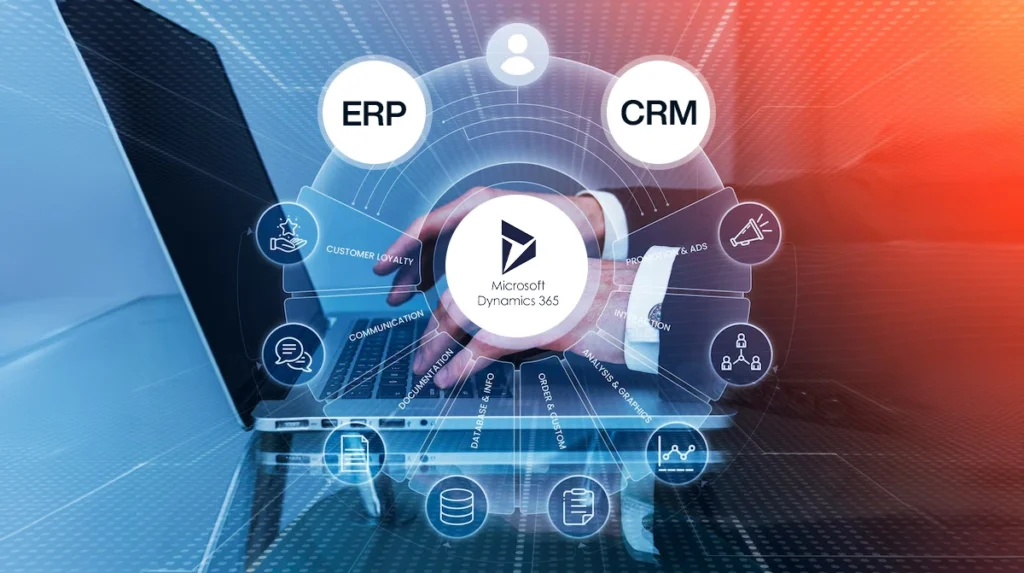
This article delves into the powerful synergy between CRM and ERP systems in the insurance sector. We will explore how this integration revolutionizes reporting, providing a 360-degree view of the business. We’ll examine the specific features and benefits of this integration, showcasing how it empowers insurance companies to make more informed decisions, improve customer satisfaction, and drive profitable growth. This integration is crucial, as detailed in How To CRM Align ERP Implementation For Insurance, for enhanced reporting. This is more than just data integration; it’s about transforming raw data into strategic advantage.
Understanding the Roles of CRM and ERP in Insurance
Before diving into the benefits of integration, it’s crucial to understand the core functionalities of CRM and ERP systems within the insurance context.
Enterprise Resource Planning (ERP)
ERP systems serve as the central nervous system for an insurance company, managing and integrating key business processes. In the insurance industry, ERP typically handles:
- Financial Management: General ledger, accounts payable/receivable, budgeting, and financial reporting.
- Policy Administration: Policy issuance, renewals, endorsements, and cancellations.
- Claims Management: Claim processing, adjudication, and payment. Claims Management, alongside CRM Insights To Enhance ERP Value In Insurance, is crucial.
- Human Resources: Payroll, benefits administration, and employee management.
- Reinsurance Management: Managing reinsurance agreements and claims.
- Reporting: Generation of standard financial and operational reports.
ERP systems excel at providing a structured view of internal operations. However, they often lack the granularity and customer-centric focus needed to understand the “why” behind the numbers.
Customer Relationship Management (CRM)
CRM systems focus on managing customer interactions and relationships across all channels. In the insurance industry, CRM typically handles:
- Lead Management: Capturing and nurturing leads from various sources.
- Sales Management: Tracking sales opportunities, managing sales pipelines, and forecasting sales performance.
- Customer Service: Managing customer inquiries, complaints, and service requests.
- Marketing Automation: Creating and executing targeted marketing campaigns.
- Contact Management: Storing and managing customer contact information.
- Reporting: Generation of reports on sales performance, customer satisfaction, and marketing campaign effectiveness.
CRM systems provide valuable insights into customer behavior, preferences, and needs. However, they often lack the financial and operational context provided by ERP systems.
The Power of CRM and ERP Integration for Enhanced Reporting
Integrating CRM and ERP systems unlocks a powerful synergy, enabling insurance companies to generate more comprehensive and insightful reports. This integration breaks down data silos and provides a 360-degree view of the business, empowering decision-makers with the information they need to drive profitable growth.
Improved Customer Insights
By integrating CRM data with ERP data, insurance companies can gain a deeper understanding of their customers. For example:
- Customer Lifetime Value (CLTV): Calculate CLTV by combining customer purchase history (ERP) with customer interaction data (CRM).
- Customer Segmentation: Segment customers based on demographics (CRM), policy types (ERP), and claims history (ERP) to tailor marketing campaigns and improve customer service.
- Churn Analysis: Identify customers at risk of churn by analyzing policy renewal rates (ERP) and customer service interactions (CRM).
Enhanced Sales Performance Reporting
CRM and ERP integration provides a more accurate and comprehensive view of sales performance. For example:
- Sales Pipeline Analysis: Track sales opportunities from lead generation (CRM) to policy issuance (ERP) to identify bottlenecks and improve sales processes.
- Sales Forecasting: Improve sales forecasting accuracy by combining historical sales data (ERP) with sales pipeline data (CRM).
- Sales Team Performance: Evaluate sales team performance by analyzing sales volume (ERP), lead conversion rates (CRM), and customer satisfaction scores (CRM).
Optimized Marketing Campaign Effectiveness
Integrating CRM and ERP data allows insurance companies to measure the true ROI of their marketing campaigns. For example:
- Lead Source Analysis: Track the performance of different lead sources (CRM) by analyzing policy sales generated from each source (ERP).
- Campaign ROI: Calculate the ROI of marketing campaigns by comparing campaign costs (CRM) with policy sales generated from the campaign (ERP).
- Targeted Marketing: Target marketing campaigns to specific customer segments based on their policy types (ERP) and past interactions (CRM).
Streamlined Claims Management Reporting
CRM integration can improve claims management reporting by providing a more complete picture of the customer experience. For example:
- Claims Processing Time: Track the time it takes to process claims (ERP) and identify areas for improvement based on customer feedback (CRM).
- Claims Satisfaction: Measure customer satisfaction with the claims process (CRM) and identify trends that impact customer retention.
- Fraud Detection: Identify potential fraudulent claims by analyzing claims data (ERP) and customer interaction data (CRM).
Key Features of CRM-Enhanced ERP Reporting
Several key features contribute to the effectiveness of CRM-enhanced ERP reporting for insurance companies:
Real-Time Data Integration
Real-time data integration ensures that reports are always based on the most up-to-date information. This allows decision-makers to react quickly to changing market conditions and customer needs.
Customizable Dashboards and Reports
Customizable dashboards and reports allow users to focus on the metrics that are most important to their roles. This ensures that they have the information they need to make informed decisions.
Drill-Down Capabilities
Drill-down capabilities allow users to explore the underlying data behind a report to identify the root causes of trends and anomalies. This enables them to take corrective action quickly.
Automated Report Generation
Automated report generation saves time and reduces the risk of errors. This allows users to focus on analyzing the data rather than creating reports.
Role-Based Access Control
Role-based access control ensures that users only have access to the data they need. This protects sensitive information and prevents unauthorized access.
Choosing the Right CRM and ERP Solution
Selecting the right CRM and ERP solutions is crucial for successful integration and enhanced reporting. Consider these factors:
Industry-Specific Functionality
Choose CRM and ERP solutions that are specifically designed for the insurance industry. These solutions will have the features and functionality you need to manage your unique business processes.
Integration Capabilities
Ensure that the CRM and ERP solutions you choose are easily integrated. Look for solutions that offer pre-built integrations or APIs that allow you to connect them seamlessly.
Scalability
Choose CRM and ERP solutions that can scale to meet your growing business needs. This will ensure that your systems can continue to support your operations as you expand.
Vendor Reputation and Support
Select reputable vendors with a proven track record of providing excellent customer support. This will ensure that you have the assistance you need to implement and maintain your systems.
Total Cost of Ownership (TCO)
Consider the total cost of ownership, including implementation costs, maintenance fees, and training expenses. This will help you choose the most cost-effective solutions for your business.
Implementation Best Practices
To ensure a successful CRM and ERP integration, follow these best practices:
Define Clear Goals and Objectives
Clearly define your goals and objectives for the integration. What specific reporting enhancements are you hoping to achieve? What business challenges are you trying to address?
Develop a Detailed Implementation Plan
Create a detailed implementation plan that outlines the steps involved in the integration process. This plan should include timelines, resources, and responsibilities.
Involve Key Stakeholders
Involve key stakeholders from all departments in the implementation process. This will ensure that everyone is on board and that the integration meets the needs of the entire organization.
Provide Adequate Training
Provide adequate training to all users on the new CRM and ERP systems. This will ensure that they are able to use the systems effectively and generate the reports they need.
Monitor and Evaluate Performance
Monitor and evaluate the performance of the integrated CRM and ERP systems. This will help you identify areas for improvement and ensure that you are achieving your desired results.
Conclusion
CRM-enhanced ERP reporting is a game-changer for insurance companies. By integrating these two powerful systems, insurance companies can unlock a wealth of actionable insights that would otherwise remain hidden. This integration empowers them to make more informed decisions, improve customer satisfaction, optimize marketing campaigns, and drive profitable growth. By carefully selecting the right CRM and ERP solutions and following best practices for implementation, insurance companies can reap the full benefits of this powerful synergy and gain a significant competitive advantage in today’s dynamic market.
The key takeaway is that simply having CRM and ERP is not enough. The integration is where the real value lies. It’s about connecting the operational data with the customer-centric data to build a complete picture of your business and make smarter decisions. Effectively, integrating Customer relationship management with ERP unlocks true potential.
Investing in CRM and ERP integration is an investment in the future of your insurance company. It’s an investment in data-driven decision-making, improved customer relationships, and sustainable growth. Embrace the power of integrated reporting and unlock your company’s full potential.
Conclusion
In conclusion, the integration of CRM and ERP systems represents a significant leap forward for insurance companies seeking to gain a competitive edge through data-driven decision-making. By bridging the gap between customer-facing activities and back-end operations, this synergy unlocks a wealth of previously siloed information, leading to more accurate, insightful, and actionable reports. The benefits are clear: improved sales forecasting, enhanced customer service, streamlined claims processing, and ultimately, a more profitable and resilient business.
This article has highlighted how CRM-enhanced ERP reporting empowers insurance companies to understand their customers better, optimize internal processes, and make strategic decisions with greater confidence. The ability to track customer interactions, analyze policy performance, and identify emerging trends in a unified platform is invaluable in today’s dynamic market. To discover how a tailored CRM and ERP integration can transform your insurance company’s reporting capabilities and drive tangible business results, we encourage you to contact us for a personalized consultation. This echoes insights from How To CRM Adapt ERP Features For Insurance regarding this integration. Unlock the power of your data today!
Frequently Asked Questions (FAQ) about How CRM Enhances ERP Reporting for Insurance Companies
How does CRM improve ERP reports?
CRM enriches ERP reports with customer-centric data. This provides a 360-degree view of the customer, improving accuracy and insights for better decision-making in insurance.
What CRM data goes into ERP?
CRM data like policyholder interactions, claims history, and marketing campaign results integrate into ERP. This enhances financial reporting and enables more accurate profitability analysis for insurance products.
Why link CRM and ERP for insurance?
Linking CRM and ERP provides a unified view of customer relationships and financial performance. This integration improves operational efficiency, reduces data silos, and drives better business outcomes for insurance companies.