The insurance industry, often perceived as traditional, is undergoing a significant transformation. In today’s competitive landscape, insurance firms are increasingly turning to technology to enhance efficiency, improve customer experience, and drive growth. Two key technologies playing a crucial role in this evolution are Customer Relationship Management (CRM) and Enterprise Resource Planning (ERP) systems. While CRM focuses on managing customer interactions and relationships, ERP integrates various business processes, such as finance, human resources, and supply chain management.
However, simply implementing CRM and ERP isn’t enough. To truly reap the benefits, insurance firms need to strategically scale these systems to accommodate growth, adapt to changing market dynamics, and meet evolving customer expectations. This involves careful planning, seamless integration, and a deep understanding of the specific needs of the insurance industry. Scaling CRM and ERP successfully can lead to improved operational efficiency, enhanced customer satisfaction, better decision-making, and increased profitability. However, the process isn’t always straightforward.
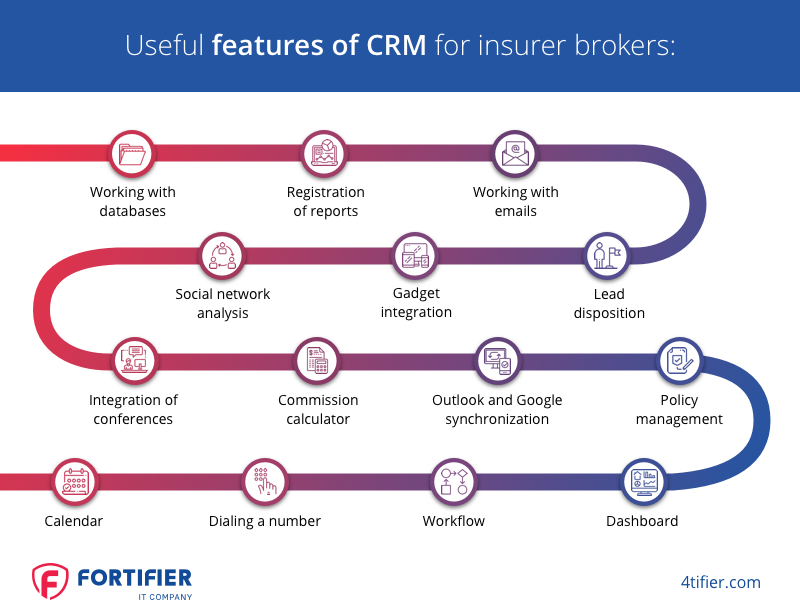
This article provides a comprehensive guide to the top methods for successfully scaling CRM and ERP in insurance firms. We will explore the key features and details involved in this process, highlighting the challenges and opportunities that insurance companies face. By understanding these methods, insurance firms can effectively leverage CRM and ERP to achieve their strategic goals and maintain a competitive edge in the dynamic insurance market. …the key features and details involved in this process, highlighting Top Ideas To CRM Drive ERP Performance In for optimal results. From initial planning to ongoing optimization, this guide provides practical insights and actionable strategies for successful CRM and ERP scaling.
Understanding the Landscape: CRM and ERP in Insurance
Before diving into the methods for scaling, it’s essential to understand how CRM and ERP are typically used in the insurance industry. CRM systems help insurance companies manage customer interactions, track leads, and personalize communication. ERP systems, on the other hand, integrate various internal processes, such as policy administration, claims processing, and financial reporting. A well-integrated CRM and ERP system provides a 360-degree view of the customer and streamlines operations, leading to improved efficiency and customer satisfaction.
Common CRM Use Cases in Insurance
CRM in insurance is not just about storing customer data; it’s about leveraging that data to build stronger relationships and drive sales. Here are some common use cases:
- Lead Management: Capturing and nurturing leads through various channels, such as online forms, marketing campaigns, and referrals.
- Policy Management: Tracking policy details, renewals, and claims history for each customer.
- Customer Service: Providing personalized support and resolving customer inquiries efficiently.
- Sales Automation: Automating sales processes, such as quote generation and policy issuance.
- Marketing Automation: Creating targeted marketing campaigns based on customer data and behavior.
Common ERP Use Cases in Insurance
ERP systems streamline internal operations and provide valuable insights into the performance of the insurance business. Here are some key use cases:
- Policy Administration: Managing the entire policy lifecycle, from issuance to renewal.
- Claims Processing: Automating claims processing, from initial submission to settlement.
- Financial Management: Tracking revenue, expenses, and profitability.
- Human Resources: Managing employee data, payroll, and benefits.
- Regulatory Compliance: Ensuring compliance with industry regulations and reporting requirements.
Top Methods for CRM Scale ERP Success
Scaling CRM and ERP successfully requires a strategic approach that considers the specific needs and goals of the insurance firm. Here are some of the top methods to ensure success:
1. Define Clear Objectives and KPIs
Before embarking on a scaling project, it’s crucial to define clear objectives and Key Performance Indicators (KPIs). What do you want to achieve by scaling your CRM and ERP systems? Are you looking to improve customer retention, reduce operational costs, or increase sales? Defining specific, measurable, achievable, relevant, and time-bound (SMART) goals will provide a roadmap for the scaling process and allow you to track progress effectively. Examples of KPIs include customer acquisition cost, customer lifetime value, claims processing time, and policy renewal rate.
2. Choose the Right Technology Stack
Selecting the right technology stack is critical for successful CRM and ERP scaling. Consider factors such as scalability, integration capabilities, cost, and ease of use. Cloud-based solutions often offer greater scalability and flexibility compared to on-premise systems. Ensure that your chosen CRM and ERP systems can seamlessly integrate with each other and with other relevant systems, such as policy administration platforms and claims management systems. Research different vendors and compare their offerings based on your specific requirements.
3. Prioritize Data Migration and Integration
Data migration and integration are often the most challenging aspects of CRM and ERP scaling. Ensure that your data is clean, accurate, and properly formatted before migrating it to the new system. Develop a comprehensive data migration plan that includes data cleansing, transformation, and validation. Use integration tools and APIs to connect your CRM and ERP systems and ensure seamless data flow between them. Consider using a phased approach to data migration to minimize disruption to business operations.
4. Implement a Phased Rollout
Avoid implementing all changes at once. A phased rollout allows you to test and refine the system in a controlled environment before deploying it across the entire organization. Start with a pilot program involving a small group of users and gradually expand the rollout to other departments or business units. This approach allows you to identify and address any issues early on and minimize the risk of disruption to business operations. Gather feedback from users throughout the rollout process and make necessary adjustments to the system.
5. Invest in User Training and Support
Even the best CRM and ERP systems will fail if users don’t know how to use them effectively. Invest in comprehensive user training to ensure that employees understand the new system and its features. Provide ongoing support and resources to help users troubleshoot issues and maximize their use of the system. Consider creating user manuals, training videos, and a dedicated help desk to support users. Empowering users to effectively utilize the system is crucial for realizing its full potential.
6. Focus on Customization and Personalization
CRM and ERP systems should be customized to meet the specific needs of the insurance firm. Avoid implementing a generic solution that doesn’t address your unique business processes and requirements. Work with your CRM and ERP vendors to customize the system to fit your specific workflows and data requirements. Personalize the user interface and dashboards to provide users with the information they need at a glance. Customization and personalization can significantly improve user adoption and satisfaction.
7. Embrace Automation
Automation is key to maximizing the efficiency of CRM and ERP systems. Automate repetitive tasks, such as data entry, lead assignment, and report generation. Use workflow automation to streamline business processes, such as claims processing and policy renewal. Automation can free up employees to focus on more strategic tasks and improve overall productivity. Identify areas where automation can have the greatest impact and prioritize those initiatives.
8. Monitor Performance and Optimize Continuously
Scaling CRM and ERP is not a one-time project; it’s an ongoing process. Continuously monitor the performance of the system and identify areas for improvement. Track KPIs to measure the effectiveness of the system and identify trends. Use data analytics to gain insights into customer behavior and business performance. Regularly review and optimize the system to ensure that it continues to meet the evolving needs of the insurance firm. Stay up-to-date with the latest CRM and ERP trends and technologies and consider upgrading your system as needed.
9. Ensure Data Security and Compliance
Data security and compliance are paramount in the insurance industry. Ensure that your CRM and ERP systems are secure and compliant with relevant regulations, such as HIPAA and GDPR. Implement strong access controls and encryption to protect sensitive data. Regularly audit your security measures and update them as needed. Train employees on data security best practices and ensure that they understand their responsibilities for protecting customer data. Work with your CRM and ERP vendors to ensure that they have robust security measures in place.
10. Foster Collaboration Between Departments
Successful CRM and ERP scaling requires collaboration between different departments within the insurance firm. Break down silos and encourage communication and collaboration between sales, marketing, customer service, and other departments. Ensure that all departments are aligned on the goals of the scaling project and that they understand how the new system will benefit them. Create cross-functional teams to manage the scaling process and ensure that all perspectives are considered.
Key Features to Look for in Scalable CRM and ERP Systems for Insurance
When selecting CRM and ERP systems for your insurance firm, consider the following key features to ensure scalability:
- Cloud-based architecture: Provides greater scalability and flexibility compared to on-premise systems.
- Open APIs: Allows for seamless integration with other systems.
- Customizable workflows: Enables you to tailor the system to your specific business processes.
- Robust reporting and analytics: Provides insights into customer behavior and business performance.
- Mobile accessibility: Allows users to access the system from anywhere, at any time.
- Data security and compliance features: Ensures the security and privacy of customer data.
- Scalable infrastructure: Can handle increasing data volumes and user loads.
- Multi-currency and multi-language support: Essential for insurance firms operating in multiple countries.
- Role-based access control: Restricts access to sensitive data based on user roles.
- Audit trails: Tracks all user activity for security and compliance purposes.
Common Challenges and How to Overcome Them
Scaling CRM and ERP can present several challenges. Here’s how to address some of the most common ones:
- Resistance to change: Communicate the benefits of the new system and involve employees in the implementation process.
- Data quality issues: Invest in data cleansing and validation before migrating data to the new system.
- Integration challenges: Use integration tools and APIs to connect your CRM and ERP systems.
- Lack of user adoption: Provide comprehensive user training and support.
- Budget constraints: Prioritize key features and implement the system in phases.
- Complexity: Simplify the system by customizing it to your specific needs.
- Security risks: Implement robust security measures and train employees on data security best practices.
The Future of CRM and ERP in Insurance
The future of CRM and ERP in insurance is bright, with advancements in artificial intelligence (AI), machine learning (ML), and cloud computing driving innovation. AI-powered CRM systems can provide personalized customer experiences and automate tasks, such as lead scoring and customer segmentation. ML algorithms can analyze large datasets to identify trends and predict customer behavior. Cloud-based ERP systems offer greater scalability, flexibility, and cost-effectiveness. As technology continues to evolve, insurance firms that embrace these advancements will be well-positioned to thrive in the digital age.
Conclusion
Successfully scaling CRM and ERP in insurance firms requires a strategic approach that considers the specific needs and goals of the organization. By defining clear objectives, choosing the right technology stack, prioritizing data migration and integration, implementing a phased rollout, investing in user training and support, focusing on customization and personalization, embracing automation, monitoring performance and optimizing continuously, ensuring data security and compliance, and fostering collaboration between departments, insurance firms can effectively leverage CRM and ERP to improve efficiency, enhance customer satisfaction, and drive growth. The journey of scaling CRM and ERP is a continuous process, requiring ongoing monitoring, optimization, and adaptation to stay ahead in the ever-evolving insurance landscape.
Conclusion
Successfully scaling CRM and ERP integration within insurance firms is not merely a technological upgrade, but a strategic imperative for sustained growth and competitive advantage. As we’ve explored, the top methods – ranging from meticulous planning and data migration strategies to robust training programs and phased rollouts – are crucial for mitigating risks and maximizing the return on investment. A holistic approach, encompassing both technological prowess and a deep understanding of the insurance industry’s unique needs, is the cornerstone of a seamless and effective integration. By prioritizing data integrity, user adoption, and continuous optimization, insurance companies can unlock the full potential of these powerful systems.
In conclusion, the journey to scalable CRM and ERP is an ongoing process that demands commitment, collaboration, and a willingness to adapt to the evolving landscape of the insurance sector. Ignoring these key methods can lead to costly errors, frustrated employees, and ultimately, a failure to realize the promised benefits. To ensure your insurance firm is well-positioned for future success, we encourage you to revisit these strategies and consider how they can be tailored to your specific needs and challenges. Ignoring this evolution, especially regarding adaptation, contrasts with How To CRM Adapt ERP Features For Insurance. If you’re ready to take the next step, consider exploring specialized CRM and ERP consulting services that can provide expert guidance and support throughout the entire scaling process.
Frequently Asked Questions (FAQ) about Top Methods to CRM Scale ERP Successfully in Insurance Firms
How do I integrate CRM and ERP in insurance?
CRM and ERP integration in insurance firms involves connecting customer relationship management and enterprise resource planning systems. This is typically achieved through APIs or middleware, streamlining data flow and improving operational efficiency. It can also improve customer service.
What are the benefits of scaling ERP with CRM?
Scaling ERP with CRM offers several benefits, including improved data visibility and streamlined processes. It also enables better customer insights, enhances sales and marketing alignment, and increases operational efficiency. This leads to improved decision-making.
What’s a key challenge in scaling CRM with ERP?
A major challenge is data integration and ensuring data consistency between systems. Legacy system compatibility and managing change within the organization are also significant hurdles. Planning and careful execution are essential for success.