The insurance industry, with its complex processes and stringent regulations, constantly seeks ways to improve efficiency and customer satisfaction. Automating claims processing, particularly by integrating Customer Relationship Management (CRM) and Enterprise Resource Planning (ERP) systems, offers a significant opportunity to streamline operations, reduce costs, and enhance the overall customer experience. This integration allows for a seamless flow of information, eliminating data silos and enabling informed decision-making throughout the claims lifecycle.
CRM systems excel at managing customer interactions, capturing valuable data about customer needs and preferences. ERP systems, on the other hand, handle the back-end operations, including financial management, resource allocation, and claims processing. When these two systems work in harmony, insurance companies can provide personalized service, accelerate claims resolution, and gain a competitive edge in the market. The key lies in identifying the right automation strategies and implementing them effectively.
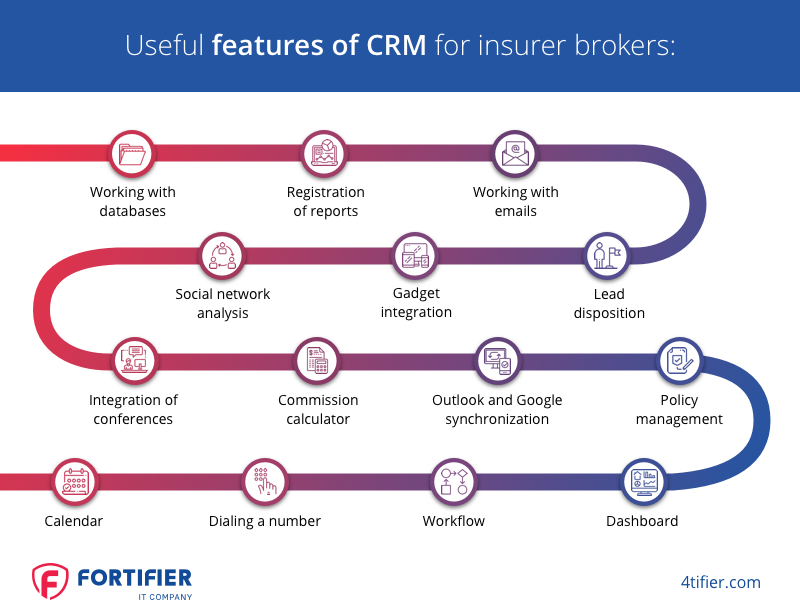
This comprehensive guide explores the best ways to automate ERP claims within insurance platforms using CRM integration. We’ll delve into the essential features, practical details, and key considerations for successfully implementing such a system. From initial data capture to final payment processing, we’ll cover the critical aspects of automating the claims process to achieve optimal efficiency and customer satisfaction. This builds on insights from How To CRM Adapt ERP Features For Insurance for efficient automation. By understanding these strategies, insurance companies can transform their claims operations and deliver superior service to their policyholders.
Understanding the Synergy of CRM and ERP in Insurance Claims
The integration of CRM and ERP systems in insurance claims processing represents a fundamental shift from fragmented, manual processes to a unified, automated workflow. This synergy allows for a holistic view of the customer and their claim, leading to faster, more accurate, and more personalized service.
Benefits of CRM–ERP Integration for Claims Automation
Integrating CRM and ERP systems offers a multitude of benefits for insurance companies:
- Improved Customer Experience: Personalized communication, faster claim resolution, and proactive updates enhance customer satisfaction.
- Increased Efficiency: Automation reduces manual tasks, streamlines workflows, and accelerates the claims process.
- Reduced Costs: Automation minimizes errors, lowers administrative overhead, and optimizes resource allocation.
- Enhanced Data Visibility: A unified view of customer and claim data enables informed decision-making and improved risk management.
- Better Compliance: Automated processes ensure adherence to regulatory requirements and internal policies.
Key Features of a CRM–ERP Integrated Claims System
A successful CRM–ERP integrated claims system should possess the following key features:
- Automated Data Capture: Seamlessly capture claim information from various sources, including online portals, mobile apps, and CRM systems.
- Workflow Automation: Automate claim routing, assignment, and escalation based on predefined rules and criteria.
- Real-time Data Synchronization: Ensure consistent and up-to-date data across both CRM and ERP systems.
- Automated Communication: Trigger automated emails, SMS messages, and notifications to keep customers informed throughout the claims process.
- Analytics and Reporting: Generate comprehensive reports and dashboards to monitor claim performance, identify bottlenecks, and track key metrics.
Best Practices for CRM Automating ERP Claims
Successfully automating ERP claims with CRM integration requires a strategic approach and adherence to best practices. Here are some key considerations:
1. Define Clear Objectives and KPIs
Before embarking on any automation project, it’s crucial to define clear objectives and key performance indicators (KPIs). What specific goals do you want to achieve with automation? Examples include reducing claim processing time, improving customer satisfaction scores, or lowering administrative costs. Establishing measurable KPIs will allow you to track progress and assess the effectiveness of your automation efforts.
2. Map the Claims Process
Thoroughly map out your existing claims process, identifying all steps, stakeholders, and potential bottlenecks. This process mapping exercise will provide valuable insights into areas where automation can have the greatest impact. Documenting the current state will also serve as a baseline for measuring improvement after automation.
3. Choose the Right CRM and ERP Systems
Selecting the right CRM and ERP systems is critical for successful integration. Consider factors such as your company’s size, industry, and specific needs. Ensure that the chosen systems are compatible with each other and offer the necessary features for claims automation. Look for vendors with experience in the insurance industry and a proven track record of successful CRM–ERP integrations.
4. Implement Data Integration Strategies
Data integration is the backbone of CRM–ERP synergy. Implement robust data integration strategies to ensure seamless data flow between the two systems. This may involve using middleware, APIs, or custom-built integrations. Ensure that data is accurately mapped and transformed to maintain consistency and integrity.
5. Automate Key Claim Processes
Focus on automating key claim processes that are repetitive, time-consuming, or prone to errors. Examples include:
- First Notice of Loss (FNOL): Automate the capture of claim information from various channels, such as online forms, mobile apps, and call centers.
- Claim Assignment: Automatically assign claims to adjusters based on predefined rules, such as claim type, location, or adjuster expertise.
- Document Management: Automate the storage, retrieval, and routing of claim-related documents.
- Payment Processing: Automate the generation and disbursement of claim payments.
6. Personalize Customer Communication
Use CRM data to personalize communication with customers throughout the claims process. Send automated emails, SMS messages, and notifications that are tailored to their specific needs and preferences. Provide proactive updates on the status of their claim and address any concerns promptly.
7. Implement a Robust Testing and Training Program
Before deploying your automated claims system, conduct thorough testing to ensure that all processes are working correctly. Involve users from different departments in the testing process to identify potential issues. Provide comprehensive training to all employees on how to use the new system effectively. This will help ensure a smooth transition and maximize adoption.
8. Monitor and Optimize Performance
Continuously monitor the performance of your automated claims system using the KPIs you defined earlier. Identify areas where improvements can be made and implement adjustments as needed. Regularly review your automation strategies and adapt them to changing business needs and customer expectations.
Real-World Applications and Examples
Several insurance companies have successfully implemented CRM–ERP integration to automate their claims processes. Here are a few real-world examples:
Example 1: Streamlining FNOL with Automated Data Capture
A leading property and casualty insurer implemented a CRM–ERP integration that automatically captures claim information from online forms and mobile apps. This eliminated the need for manual data entry, reduced errors, and accelerated the FNOL process. As a result, the company was able to process claims faster and improve customer satisfaction.
Example 2: Automating Claim Assignment for Improved Efficiency
A large health insurer automated claim assignment by integrating its CRM and ERP systems. The system automatically assigns claims to adjusters based on their expertise and workload. This ensured that claims were handled by the most qualified adjusters, reducing processing time and improving accuracy.
Example 3: Personalizing Customer Communication for Enhanced Satisfaction
A national auto insurer used CRM data to personalize communication with customers throughout the claims process. The company sent automated emails and SMS messages that were tailored to the customer’s specific claim and preferences. This proactive communication kept customers informed and reduced the number of calls to the customer service center.
Overcoming Challenges in CRM–ERP Claims Automation
While CRM–ERP integration offers significant benefits, it’s essential to be aware of potential challenges and take steps to mitigate them:
Data Silos and Integration Complexity
One of the biggest challenges is overcoming data silos and integrating disparate systems. This requires careful planning, robust data integration tools, and expertise in both CRM and ERP technologies. Invest in middleware or APIs that facilitate seamless data exchange between the two systems.
Change Management and User Adoption
Implementing a new automated system requires significant change management efforts. Employees may be resistant to change and require training and support to adapt to the new processes. Communicate the benefits of automation clearly and involve employees in the implementation process to foster buy-in and adoption.
Data Security and Compliance
Ensure that your automated claims system complies with all relevant data security and privacy regulations. Implement robust security measures to protect sensitive customer data from unauthorized access. Regularly audit your systems to identify and address any vulnerabilities.
Conclusion: Embracing Automation for a Competitive Edge
Automating ERP claims with CRM integration is a strategic imperative for insurance companies seeking to improve efficiency, reduce costs, and enhance customer satisfaction. By following the best practices outlined in this guide and addressing potential challenges proactively, insurance companies can unlock the full potential of CRM–ERP synergy and gain a competitive edge in the market. Embracing automation is not just about streamlining processes; it’s about transforming the customer experience and building a more resilient and adaptable business.
Conclusion
In conclusion, automating ERP claims within insurance platforms through CRM integration is no longer a luxury, but a necessity for staying competitive and providing exceptional customer service. By streamlining processes, reducing manual errors, and enhancing communication, insurers can significantly improve efficiency, reduce operational costs, and ultimately, boost customer satisfaction. The strategies outlined in this article, from data integration and workflow automation to AI-powered fraud detection and personalized communication, provide a comprehensive roadmap for achieving these benefits.
The journey towards complete claims automation requires careful planning, strategic implementation, and a commitment to continuous improvement. Embracing these technologies allows insurance providers to not only meet the evolving demands of the modern customer but also to unlock new opportunities for growth and innovation. Ready to revolutionize your claims process? Embracing these technologies allows insurance providers, as well as Best Practices To CRM Support ERP Efficiency In, Explore the possibilities of CRM-integrated ERP automation and discover how it can transform your insurance platform. Contact us today for a consultation and take the first step towards a more efficient and customer-centric future: Learn More.
Frequently Asked Questions (FAQ) about Best Ways to CRM Automate ERP Claims in Insurance Platforms
How can CRM automate insurance claims?
CRM systems automate claims processing by integrating with ERPs. This enables automated data entry, claims routing, and communication, improving efficiency and reducing manual errors. Automating these tasks speeds up resolution times and enhances customer satisfaction.
What are the benefits of ERP claim automation?
ERP automation of insurance claims provides benefits such as reduced operational costs, faster claims settlement, and improved data accuracy. It also enhances compliance and provides better insights into claim trends through data analytics. This leads to better decision-making and profitability.
How to integrate CRM with ERP for claims?
CRM and ERP integration for claims requires a robust API connection or middleware. This integration ensures seamless data flow between systems, allowing for real-time updates and a unified view of customer and claim information. Select solutions designed for insurance industry compatibility.